Torsion vs Extension Springs: What’s the Difference?
Most homeowners never think about their garage door springs until something stops working. Suddenly the door won’t open properly, feels unusually heavy, or starts making loud noises that weren’t there before. In many cases, the issue comes down to one of two spring systems: torsion springs or extension springs.
While both systems help lift and lower your garage door, they work very differently and come with their own pros, cons, and maintenance considerations. Understanding the difference can help you make better decisions about repairs, replacements, and long-term performance.
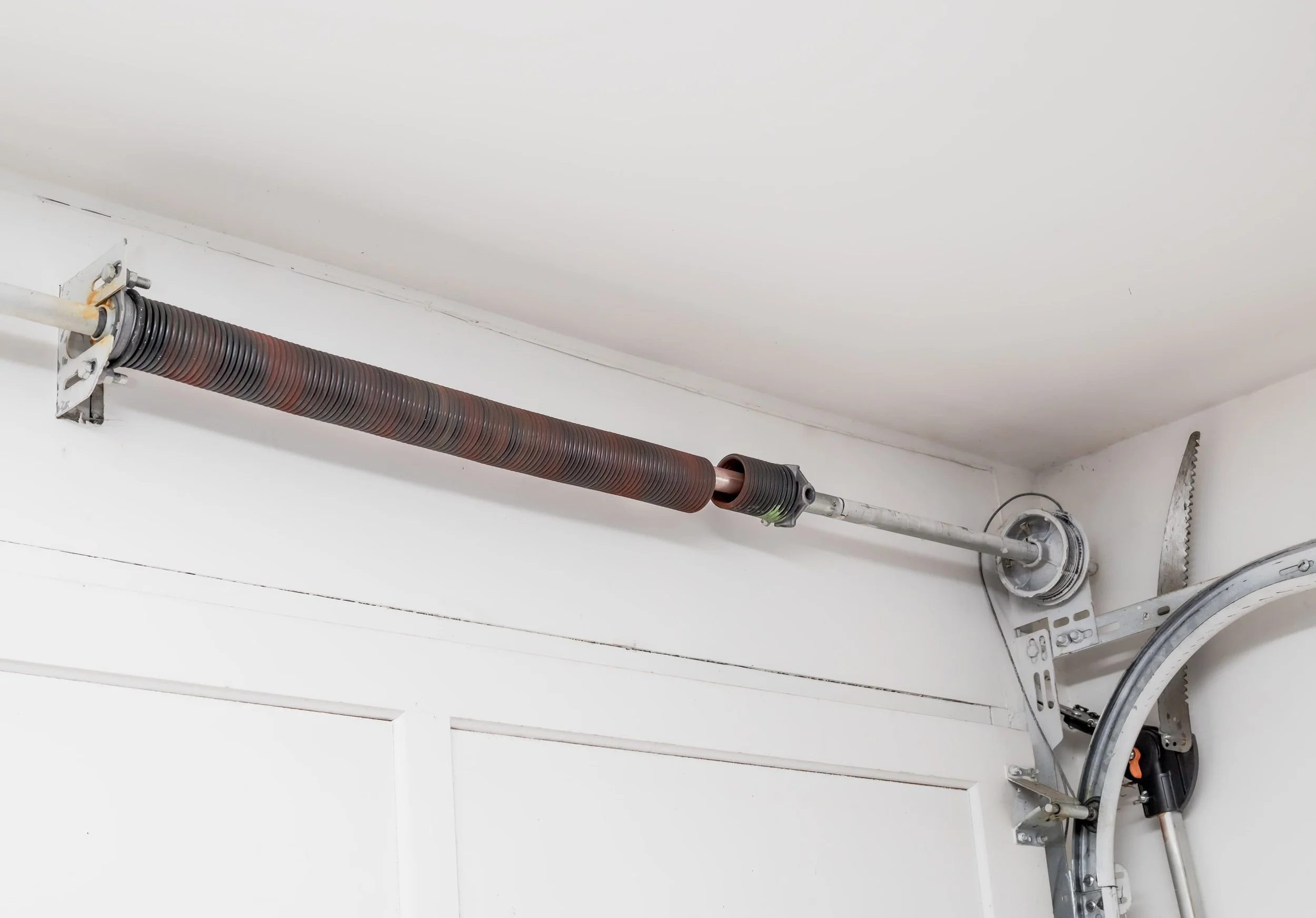
What Do Garage Door Springs Actually Do?
Garage door springs are responsible for counterbalancing the weight of the door. Without them, most garage doors would be far too heavy to lift safely by hand or with an opener.
A properly functioning spring system:
Helps the door open smoothly
Reduces strain on the opener
Improves safety
Extends the life of the entire system
When a spring breaks or begins wearing out, it can quickly affect how the entire garage door operates. If you suspect a damaged spring, it’s important to schedule professional broken garage door spring repair before the issue worsens.
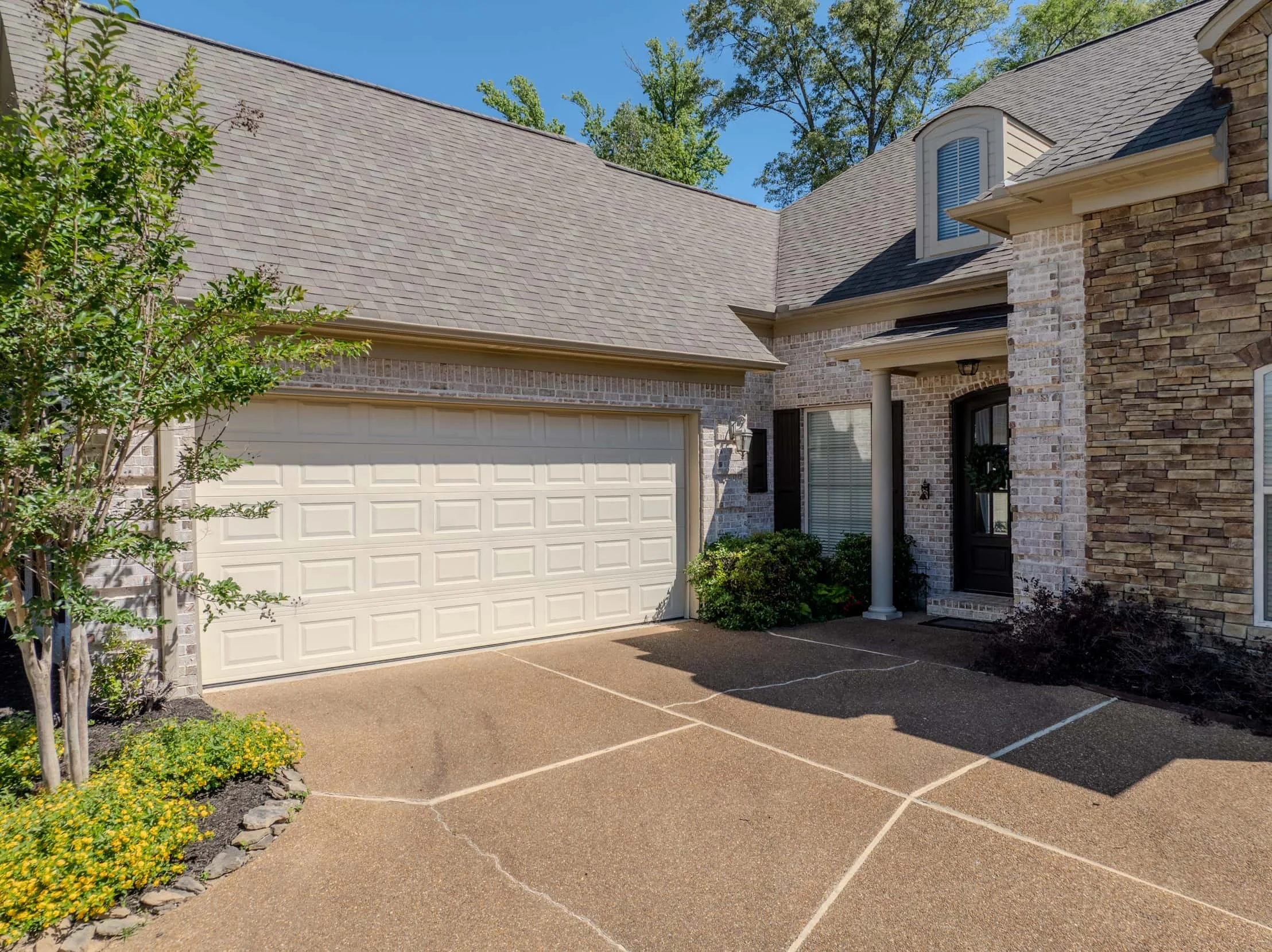
What Are Torsion Springs?
Torsion springs are mounted horizontally above the garage door opening. They work by twisting and storing mechanical energy as the door moves.
When the door closes, the springs tighten. When the door opens, the stored tension helps lift the weight of the door smoothly and evenly.
Benefits of Torsion Springs
Longer Lifespan
Torsion springs generally last longer than extension springs and tend to provide more consistent performance over time.
Smoother Operation
Because the weight is distributed more evenly, torsion spring systems often feel quieter and more controlled during operation.
Improved Safety
Modern torsion systems are typically considered safer because they are mounted securely on a metal shaft rather than stretching outward alongside the tracks.
Better for Heavier Doors
Torsion springs are often preferred for larger residential doors and commercial overhead systems because they handle weight more effectively.
What Are Extension Springs?
Extension springs are mounted along the horizontal tracks on each side of the garage door. Instead of twisting, they stretch and contract as the door moves.
These systems are more common on older garage doors and some budget-oriented installations.
Benefits of Extension Springs
Lower Upfront Cost
Extension spring systems are typically less expensive to install initially.
Simpler Design
Their simpler setup can sometimes make them easier to replace in certain situations.
Common on Older Homes
Many homes throughout Northern Mississippi and the Memphis area still use extension spring systems installed years ago.
Which Spring System Is Better?
For most modern homes, torsion springs are generally considered the better long-term option because they provide:
smoother operation
improved durability
quieter performance
better overall reliability
However, the right system depends on:
the size and weight of the door
budget
existing hardware
how frequently the door is used
A professional inspection can help determine which setup makes the most sense for your property.
Signs Your Garage Door Springs May Be Failing
Garage door spring problems often start subtly before complete failure happens.
Common warning signs include:
Loud snapping noises
The garage door feels heavy
Uneven movement
Jerking while opening
Gaps in the spring
The opener struggling to lift the door
The door stopping halfway
If you notice any of these issues, it’s best to avoid forcing the door open and schedule professional garage door spring repair service as soon as possible.
Why Professional Spring Repair Matters
Garage door springs operate under extreme tension and can be dangerous to repair without proper tools and training. Attempting DIY spring replacement can lead to serious injury or additional damage to the door system.
At Desoto Door, we help homeowners across Hernando, Southaven, Olive Branch, Horn Lake, Memphis, and surrounding areas diagnose spring issues safely and restore dependable door operation quickly.
FAQs
-
Most torsion springs last between 10,000 and 20,000 cycles depending on usage, maintenance, and door weight.
-
In many cases, yes. Torsion springs are mounted more securely and are generally considered safer if a failure occurs.
-
Garage door spring replacement is not recommended as a DIY project due to the high tension involved and the risk of injury.
-
Common signs include a loud snap, difficulty opening the door, uneven movement, or a visible gap in the spring.
-
Normal wear and tear, rust, temperature fluctuations, and repeated daily use are the most common causes.
Need Help With a Garage Door Problem?
Whether you’re dealing with a broken spring, an unreliable opener, or a door that simply isn’t operating the way it should, Desoto Door is here to help. Our team provides dependable service, honest recommendations, and professional workmanship for homeowners and businesses across Northern Mississippi and nearby areas.
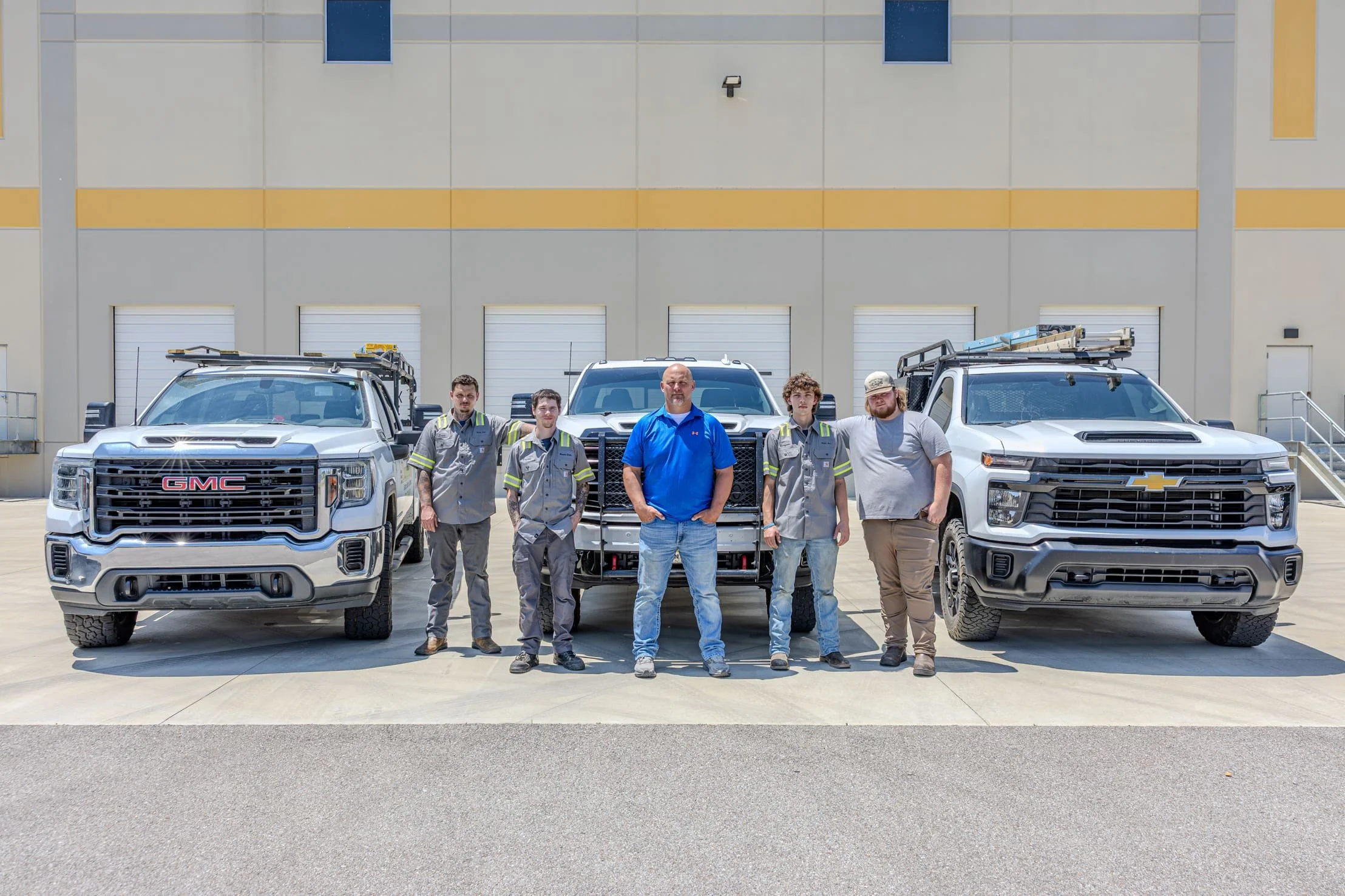
Desoto Door provides residential garage door and commercial overhead door services for homeowners and businesses across Northern Mississippi and nearby areas. Since 2008, our team has built a reputation for dependable workmanship, honest recommendations, and responsive local service.